
Claude Forgets Better Than You Do
Three ways to keep your AI's whiteboard clean

What the Full Whiteboard Knows
You're eight prompts in and the output has gone soft. You re-read your last prompt. It was clear. Direct. So you type it again, almost word-for-word, and get back the same beige mush. The problem isn't the prompt. It's the sixty prompts stacked above it. Scroll up. Look at the weight you've loaded on that conversation. Three abandoned drafts, a pasted-in PDF, two tangents about tone. You filled the whiteboard.
Every office has someone who thinks clearly when everyone else is drowning in noise. Kate from ops is that person. She would have seen this coming twenty minutes ago. You didn't.
Here's what she would have done instead.
The Director Who Leaves the Set
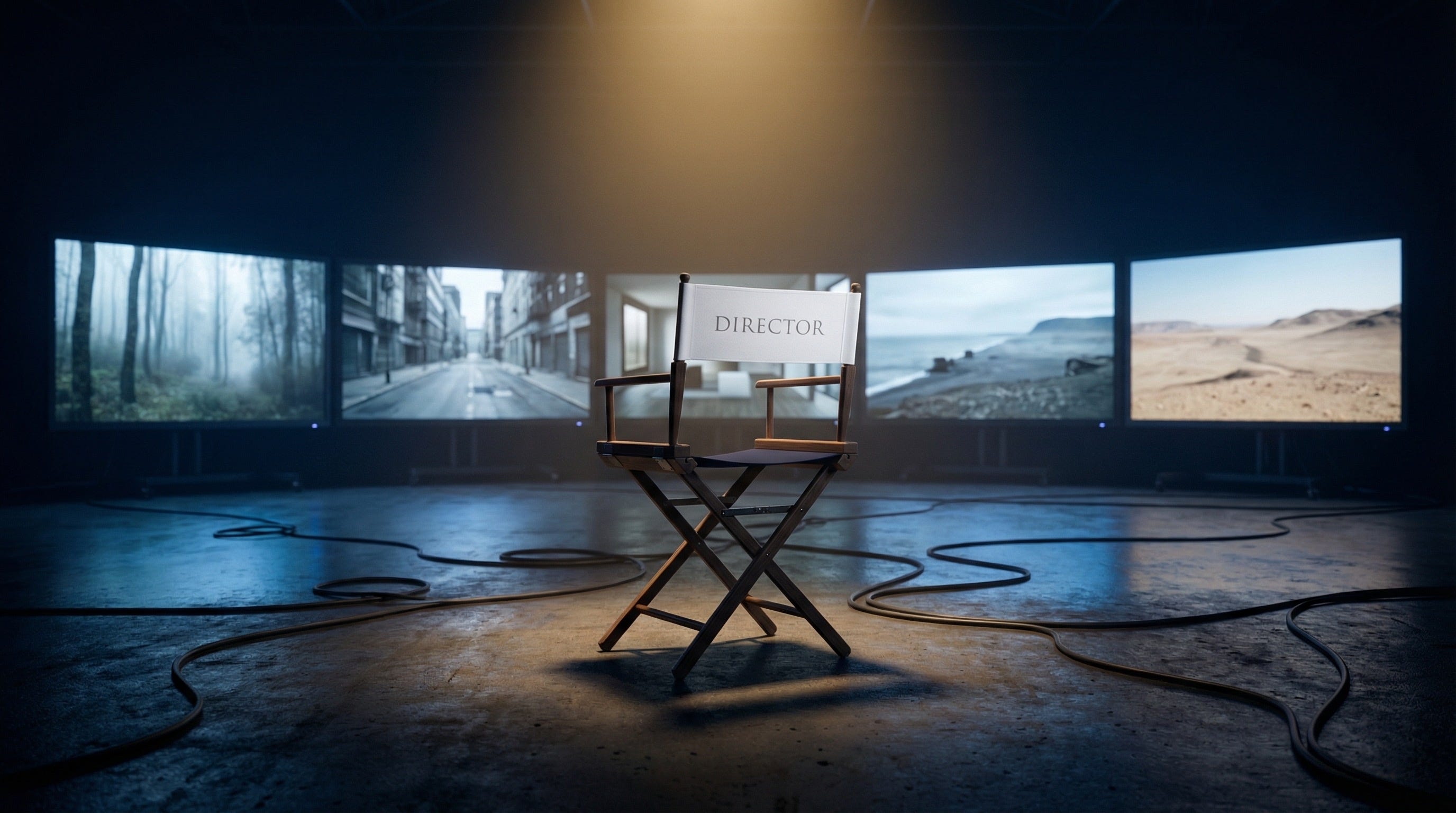
Steven Spielberg doesn't operate the camera. Never has, not on a professional film. He walks onto a set with two hundred people and his job is to hold the whole film in his head: the tone, and what the audience should feel walking out of the cinema. He sends a second unit to shoot the desert chase. Each unit brings back only the finished piece. Not the raw footage, not the forty-page location report. The shots that made the cut. Spielberg never stood in the sand.
He said once that as a kid, filmmaking was him with a camera bossing his friends around. As an adult, it became about knowing he could never have made any of these films alone. His cinematographer Janusz Kamiński, who's shot every Spielberg film since Schindler's List, put it plainly: "He knows exactly what he wants. He's the one who makes notes."
You can direct Claude the same way. Instead of loading every task into one conversation, you send agents out. Each one gets a specific job, works with its own clean whiteboard, and reports back with only what matters. One reads your competitor's pricing pages and returns four sentences. Another pulls financial data and finds the patterns worth knowing. When they finish, the findings land in your main conversation. A paragraph. A data point. Nothing else.
Your main thread never saw the forty-seven pages of competitor pricing. It never processed the raw data. It got what the second unit brought back: only the footage that mattered.
Every team has a Craig. The person who mistakes volume for value. He'd paste all forty-seven pages into one window. The whiteboard fills and the output degrades. A director doesn't work that way. A director says: here's the emotion I need, go shoot it. The unit comes back with what matters. The main conversation stays clean.
The Ritual of Forgetting
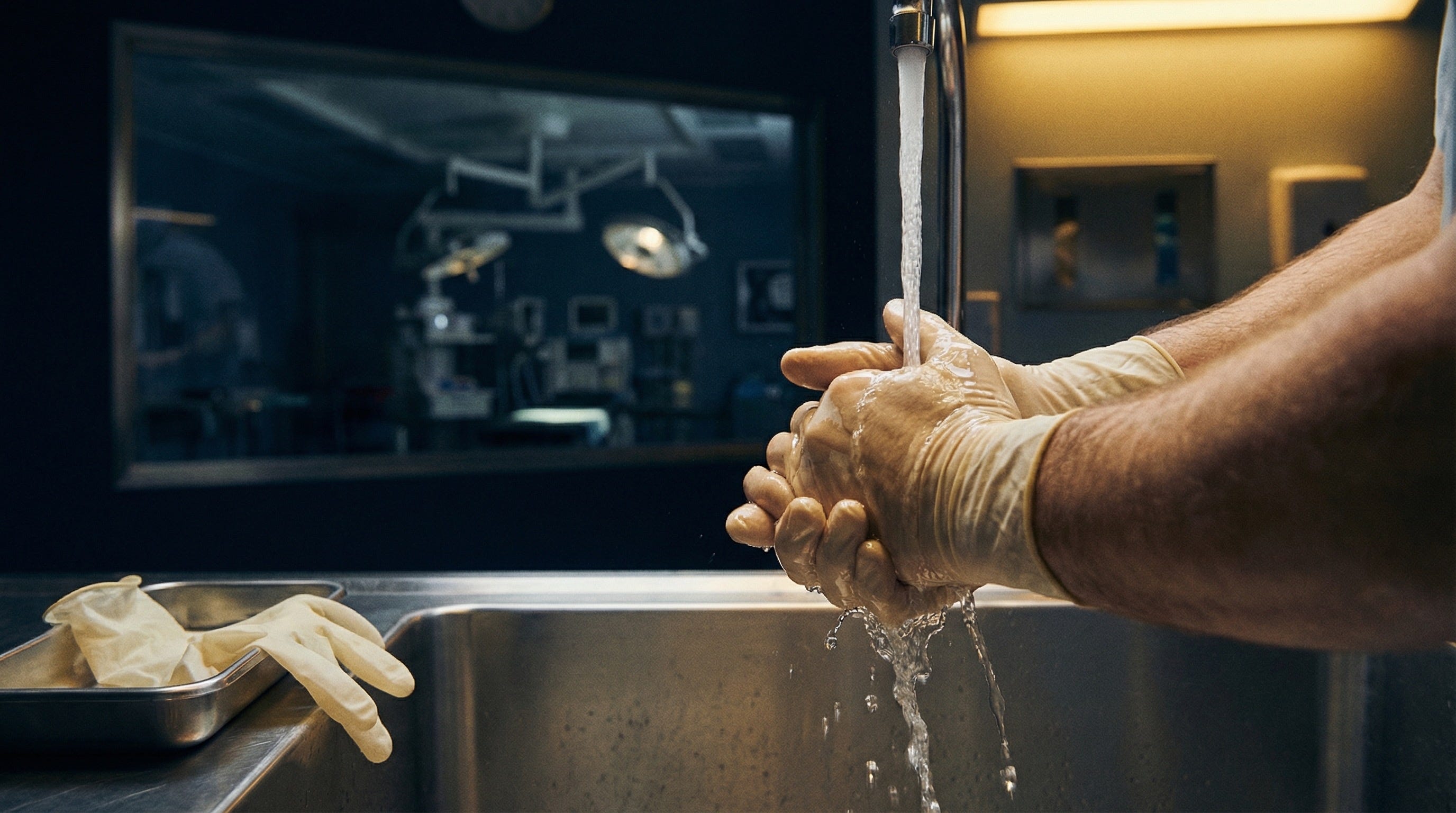
A surgeon scrubs between procedures. Not sometimes. Every time. It looks ceremonial: the washing, the gowning. It's not. It's a hard boundary between one patient and the next. Whatever happened in the last surgery (the complications, the moment that almost went sideways) stays on the other side of that scrub. You walk into the next theatre with clean hands and a clear head. The alternative is contamination. And contamination is invisible until it's already in the output.
Your conversation with Claude accumulates the same kind of residue. Old drafts. Abandoned directions. Context from a problem you solved six prompts ago. Still on the whiteboard. Still taking up space. You can't see it happening. You just notice the output getting worse.
When you feel the conversation getting heavy, stop. You'll know. The responses get longer and say less. Tell Claude what to keep. Be specific: "Hold the brand voice we agreed on and the four headlines from prompt six. Forget everything else." Then compact the conversation. Claude condenses everything else into a few tight bullets. That's your clean tray for the next procedure.
Kate does this every time Craig runs one of his forty-four-slide decks. Cold coffee in hand. She lets the noise wash past. Holds one question, discards the rest. Everyone else leaves foggy. She leaves with the answer.
Throwing away context you spent twenty prompts building feels wasteful. But a surgeon doesn't keep the last patient's blood on their gloves because the procedure was hard. Clean hands think better.
What Survives the Scrub

Kate carries a notebook. Not for the meeting. For after. The whiteboard in the conference room gets erased every night by the cleaner. Anything left on it disappears. The notebook comes home with her.
Claude works the same way. Every conversation starts with a blank whiteboard and ends when you close the tab. Gone. But project files persist across every conversation. They're the notebook. Your brand voice, the standing decisions you've already made. Write them down once. Every new conversation reads them before you type a word.
My project file for client proposals is eleven lines. Tone of voice. Pricing. The two objections I hear most. I wrote it once, in January. It's saved me from re-explaining myself maybe two hundred times.
Kate's notebook was never a transcript. She wrote down the vendor decision and nothing else. Keep your project files the same way. Paste your entire company wiki in there and you've just given Craig a permanent desk.
The whiteboard is for thinking. The notebook is for things you've already thought.
Last time I asked whether you're Kate or Craig. That was diagnosis.
What are you protecting by refusing to change how you work?